Jan 20, 2026
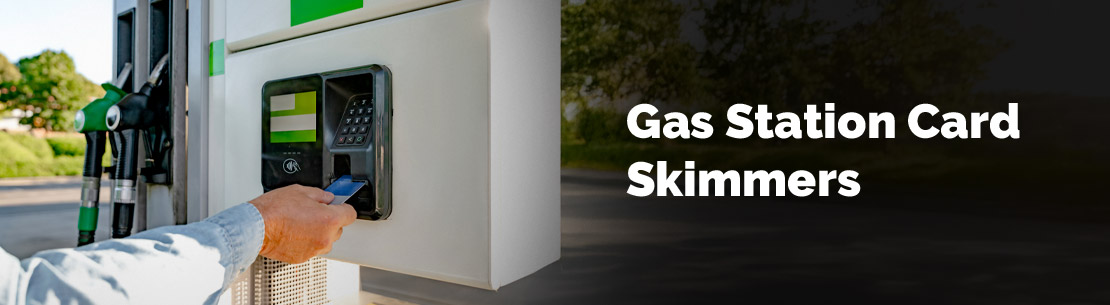
Every time you pay at the pump, you trust that a piece of plastic and electronics will safely handle your card information. Unfortunately, gas station card skimmers have turned that everyday task into a favorite target for criminals. These small, often well-disguised devices latch onto or inside a payment terminal and quietly capture the data from your credit or debit card as you swipe without any obvious sign that something is wrong.
Gas pumps are especially attractive for this kind of scam. They are outdoors, frequently unattended, and many still rely on older mag-stripe technology, which makes it easier for criminals to slip in skimmers that blend in with the existing hardware. Once your card data is captured, it can be cloned, sold, or used for fraudulent purchases, sometimes long before you notice anything unusual on your statement.
In this article, we explain what card skimmers are and how they work, what you should watch for at the pump, and why these devices are part of a much bigger story: the cybersecurity risks facing internet-connected, “smart” equipment in the real world.
What is a Gas Station Card Skimmer?
Card skimmers are designed to be invisible to most people. They are small, often well-disguised devices that criminals attach to legitimate payment terminals to quietly capture your card data when you pay. You still insert or swipe your card like normal, the pump still works, the transaction still goes through, but in the background, the skimmer is copying information from your card’s magnetic stripe that can later be used for fraud. Skimmers are not just a gas station problem, but fuel pumps are a favorite target because they’re outdoors, frequently unattended, and sometimes use older hardware that is easier to tamper with.
You’ll typically see two broad types:
- External Skimmers: “Overlay” skimmers sit on top of the existing card reader or keypad. They’re usually molded to look like the real device, but they may be slightly bulkier or a different shade of plastic.
- Internal Skimmers: These types are hidden inside the pump or terminal housing. They connect to the wiring between the card reader and the system that processes transactions, silently copying data without changing how the outside of the pump looks.
When you swipe a card through a compromised reader, the skimmer “listens in” as the magnetic stripe is read. That stripe contains key information, including card number, cardholder name, expiration date, and verification data that is used by payment networks. The legitimate terminal still processes your transaction, but the skimmer makes a copy of that data and stores it for the criminal to retrieve later or transmits it wirelessly to a nearby device.
What to Watch for at the Pump: Card Skimmer Red Flags
Card skimmers are designed to blend in, but they are not perfect. A quick visual check and a couple of simple habits can dramatically lower your risk. Before you swipe, insert, or tap, take a few seconds to look at the pump and trust your instincts. If something feels “off,” move on to a different pump.
Visual Signs of Tampering
Start by giving the card reader area a quick inspection. Look for:
- A reader that looks too big or bulky: Skimmers often sit on top of the real card slot, making the reader stick out farther than usual. Compare your pump’s reader to others at the same station. If yours looks noticeably larger or a different shape, choose another pump.
- Loose or wobbly parts: Gently tug on the card reader and keypad. A legitimate reader is usually firmly attached. If it wiggles, shifts, or feels like a “cover” that could pop off, that is a major red flag.
- Misaligned graphics or off-color plastic: Check that the arrows, stickers, and labels line up correctly around the card slot and keypad. A skimmer may cover part of the original graphics, look slightly crooked, or have a slightly different color or finish than the rest of the pump.
- Damaged or broken security seals: Many gas stations place tamper-evident stickers over pump access panels. If the seal is broken, cut, missing, or looks like it was peeled off and stuck back on, choose a different pump and alert the station staff.
Behavioral Checks Before You Page
Visual checks are important, but your behavior can also reduce your risk:
- Compare Pumps: If something seems odd about your pump’s reader or keypad, walk over and look at another pump. If they don’t match, there is no harm in moving to the one that looks “normal.”
- Choose Safer Locations: Use pumps that are closest to the building or directly in view of the cashier. Criminals prefer pumps that are out of sight and less likely to be checked regularly.
- Avoid Entering a PIN When Possible: If you can, run your card as credit instead of debit to avoid exposing your PIN. If you must enter a PIN, cover the keypad with your hand to block hidden cameras.
- Listen to Your Instincts: If any part of the pump looks damaged, hastily repaired, or “off,” don’t talk yourself into using it. Go to another pump or pay inside with a cashier.
Safer Habits at the Pump
Beyond spotting skimmers, a few ongoing habits can help protect you even if a device looks normal:
- Use Tap-to-Pay and Chip Instead of Swiping: When available, use tap-to-pay (NFC) or insert your chip instead of swiping the magnetic stripe. Tap-to-pay sends an encrypted, one-time version of your payment information, making it much harder for skimmers to capture anything useful.
- Use Alerts and Frequent Statement Checks: Turn on text or app alerts for new transactions on your cards. Scan your statements regularly so you can spot and report suspicious charges quickly.
- Limit Card Exposure at High-Risk Locations: Consider using a credit card instead of a debit card at the pump. Credit cards generally offer better fraud protection and don’t give direct access to your bank account. If a station looks poorly maintained or you see multiple signs of tampering, pay inside or find another station.
Why is Tap-to-Pay (NFC) Safer Than Swiping?
Tap-to-pay works differently from the old swipe method, and that difference is exactly why it is safer. When you use Near Field Communication (NFC) to pay, whether tapping your card, phone, or smartwatch, you are not sending your actual card number. Instead, the device and the terminal perform a quick, encrypted “handshake.” Your real card information is converted into a one-time, tokenized version that is only valid for that specific transaction. Even if someone could somehow intercept that data, they would not get your full card number or a reusable payment credential.
Tap-to-pay also benefits from security built into the device you are using. When you pay with your phone or watch, the bank typically requires you to unlock the device first, often with biometrics like Face ID or a fingerprint. That adds another layer of protection before a transaction can even start. Combined with the short range of NFC (a few centimeters at most), it becomes very difficult for an attacker to intercept or replay the payment in a meaningful way.
How Card Skimmers Pose an IoT Cybersecurity Problem
So far, we have focused on the visible hardware criminals attach to a pump, but gas station card skimmers are really just a symptom of a bigger issue: fuel pumps and payment terminals are part of the Internet of Things (IoT), and that makes them targets like any other connected device on your network.
Modern gas pumps and payment terminals are essentially small computers with card readers attached. They run embedded operating systems, connect over wired or wireless networks to payment processors, loyalty programs, and back-office systems, and often support remote management features. That means each pump is not just a standalone piece of hardware, but an IoT device sitting on a network that may also include point-of-sale systems, inventory tools, security cameras, office PCs, and more.
Not every attack involves a piece of plastic glued to the outside of a card slot. In some cases, criminals install internal devices that connect directly to the pump’s circuit boards. In others, they exploit weak passwords, misconfigured remote access tools, or unpatched software to reach pumps and payment systems over the network. Once inside, attackers can do more than capture card data at a single pump. They might:
- Eavesdrop on traffic moving between pumps, terminals, and back-end systems.
- Deploy malware that captures payment data from multiple devices at once.
- Manipulate pump controls or transaction logic to commit fraud or disrupt operations.
How Blade Technologies Helps Secure Payment Systems and IoT Devices
Protecting customers at the pump and protecting the network behind the scenes are two sides of the same problem. Blade Technologies approaches card skimmer and IoT risks as part of a broader cybersecurity strategy, not just a one-off project. The goal is to reduce opportunities for criminals and improve your visibility, so you can spot and respond to issues quickly.
We typically start the process with a cyber risk assessment that looks at your environment the way an attacker would. That means reviewing how payment terminals are connected, what networks they sit on and who has access, how devices are configured and updated, and where card data and other sensitive information flows. This allows us to identify the highest-risk areas and provide practical recommendations to secure them.
Blade Technologies also provides ongoing monitoring for unusual activity on your network and connected devices, ensuring we can investigate and contain any issues before they turn into a full-blown breach. Instead of waiting for an employee to notice something suspicious, you have specialists watching your environment around the clock.
Stay Vigilant and Keep Your Network Safe with Blade Technologies
Gas station card skimmers are a very visible reminder that everyday conveniences can hide serious threats. As a consumer, your best defenses are simple: take a few seconds to inspect the pump, avoid swiping when you can tap or insert a chip, keep an eye on your statements, and trust your instincts if something looks wrong.
For businesses, the challenge is bigger. All devices are connected now, making it critical to ensure they have strong physical security, segmented networks, hardened configurations, and continuous monitoring. Blade Technologies combines cyber risk assessments, managed security services, and thoughtful network and device architecture to reduce the chances of cyberthreats going unnoticed and limit the damage if an attacker does slip through.
If you’re concerned about the security of your business, whether you operate a brick-and-mortar store or run an online-based corporation, we’re here to help. Contact our cybersecurity experts today to build a plan that keeps both your customers and your business better protected.
Secure Payment Data